The climate crisis is not an equal-opportunity disaster. Across the world, and especially in Africa, women and girls face its harshest realities. They walk further for water as droughts intensify, bear the burden of food insecurity when harvests fail, and are most at risk when climate-induced disasters strike. Yet, in the same spaces where they carry this weight, they also lead, crafting solutions grounded in care, resilience, and community. Their experiences and knowledge remind us that the fight against climate change is not only about reducing emissions but also about dismantling inequalities that deepen vulnerability.
For DadaPower, this truth lies at the heart of feminist climate justice. Our manifesto is rooted in People and Planet first principles, recognizing that climate action without gender justice is incomplete. We place women and girls at the center of climate decision-making, not as a matter of representation but as a necessity for building lasting solutions. Our work supports grassroots women-led initiatives that weave indigenous knowledge with modern innovations. We view food sovereignty, ecological sustainability, and justice as interconnected pillars of survival. Ecofeminism, for us, is not an abstract idea; it is a daily practice of resistance, healing, and creativity, lived out in communities where women and girls rise to meet the climate crisis with bold imagination.
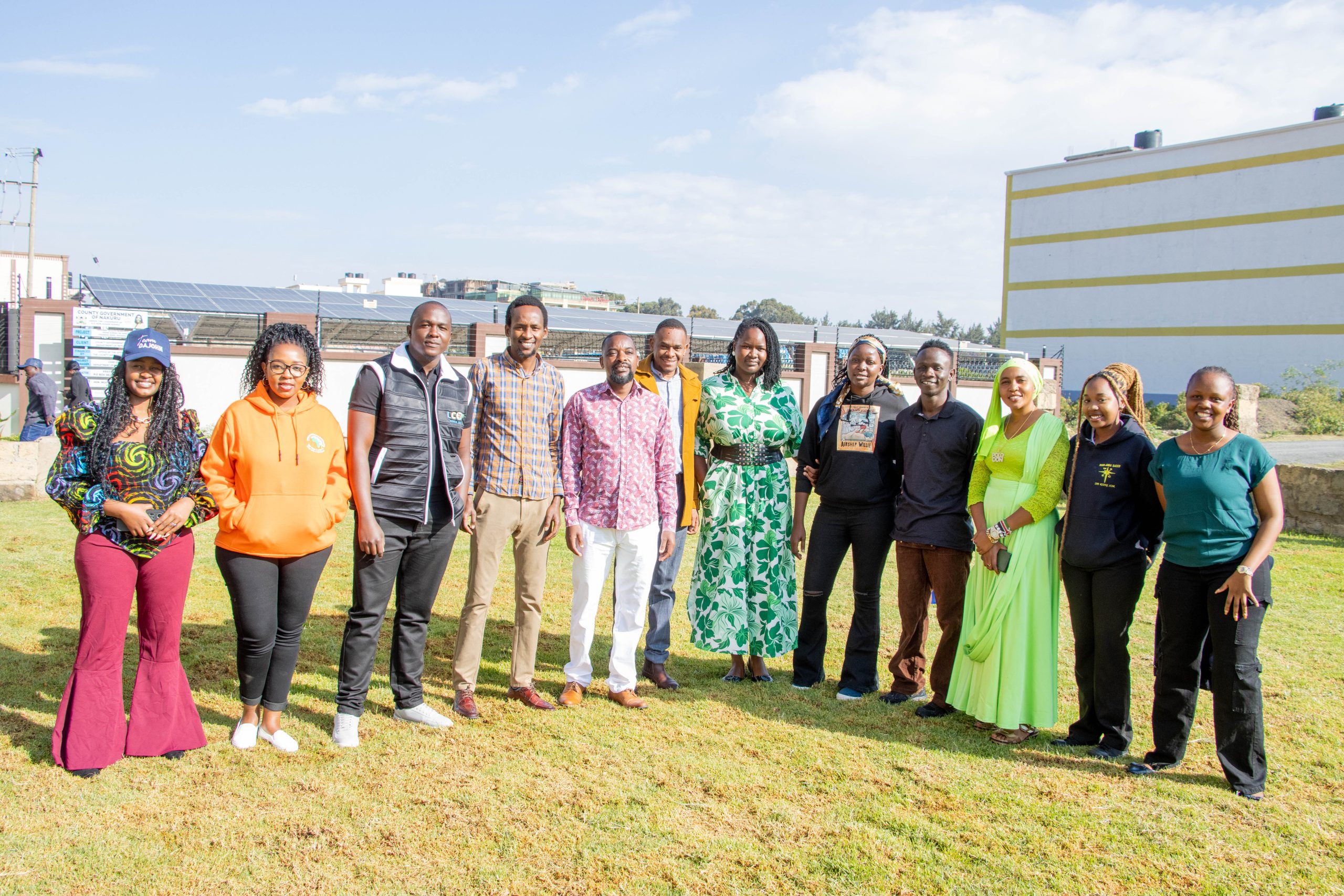
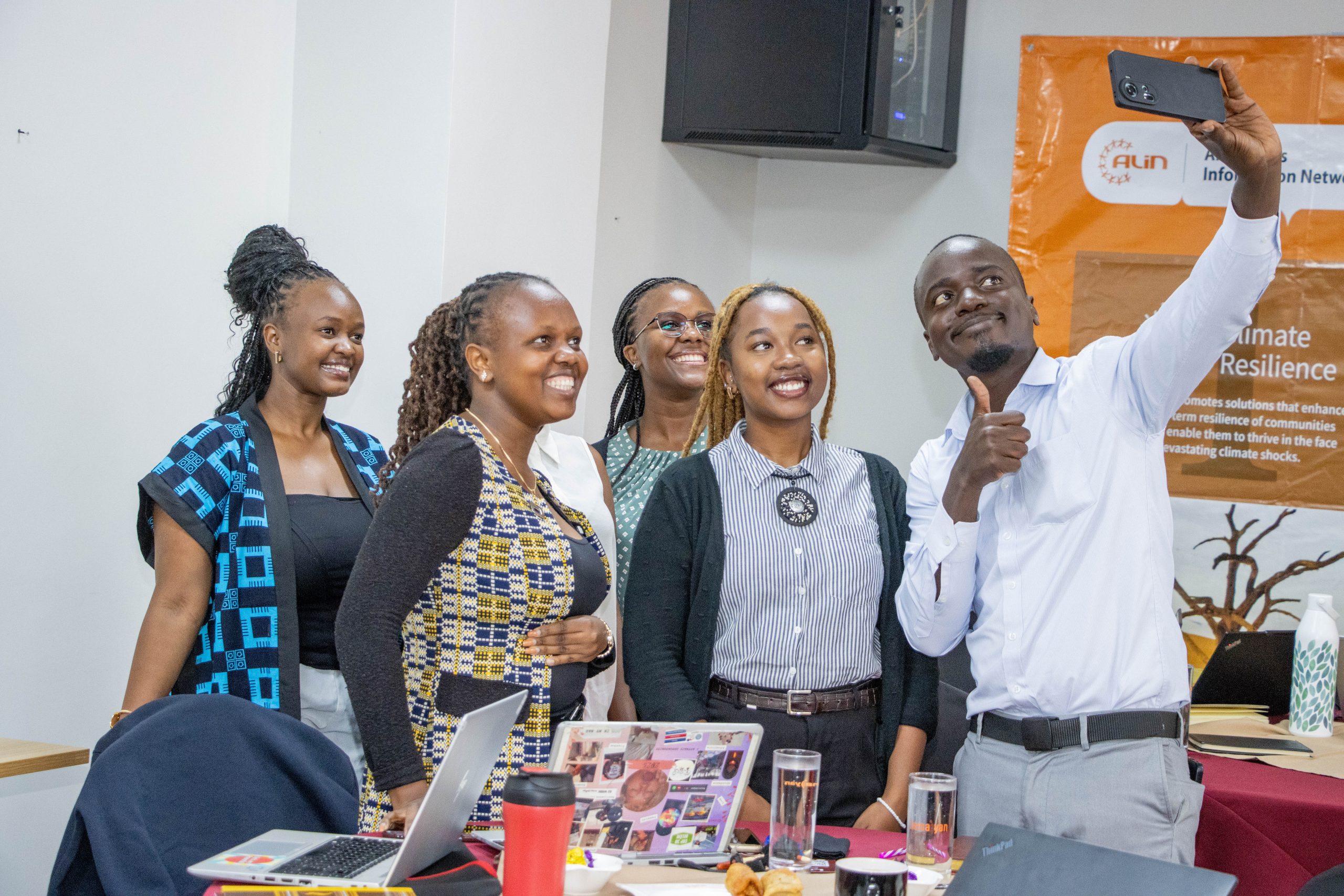
This year’s Local Conference of Youth (LCOY) Kenya 2025, held in Naivasha under the theme “Resilient Youth Voices, Sustainable Futures,” was a powerful demonstration of what it looks like when youth claim their space in climate action. For three days, young climate champions drawn from all 47 counties came together to deliberate on the future of climate action in Kenya. The conference created a vibrant space where policy, finance, justice, and resilience converged.
We engaged in discussions on how the National Climate Change Action Plan (NCCAP) 2023–2027 can be transformed from policy documents into youth-led projects with tangible impact. Conversations on just energy transition challenged Africa to reimagine its energy future in ways that are both inclusive and just, ensuring that no community is left behind in the shift to clean energy. Youth also confronted the challenge of climate finance, insisting that resources must not only increase but also reach the grassroots directly, empowering women, girls, and young innovators to lead local climate solutions. Food sovereignty emerged as another cornerstone of resilience, with participants emphasizing that the right to define and secure local food systems is central to climate justice.
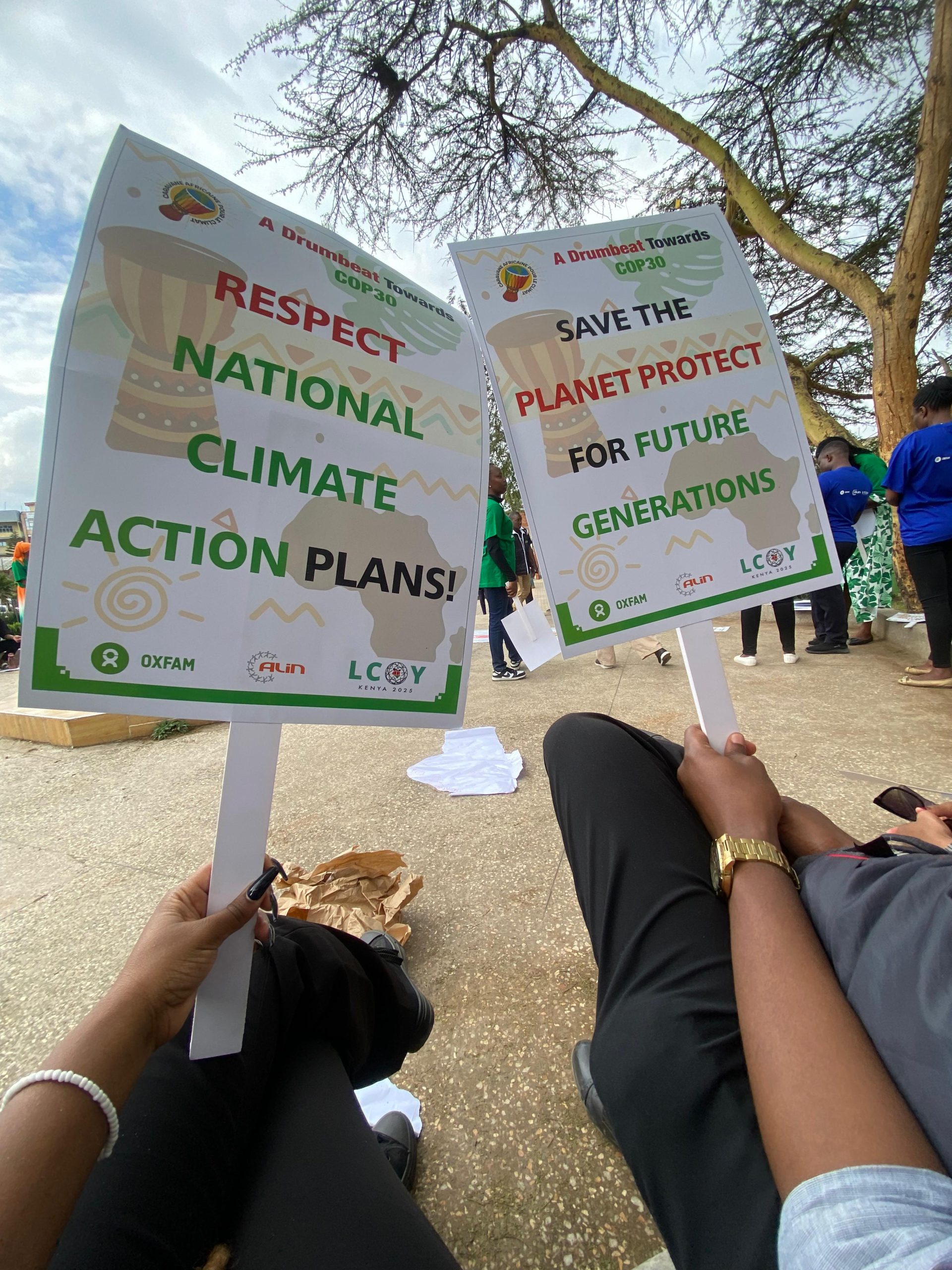
The conference culminated in the adoption of the National Youth Position Statement and the development of the Kenyan Youth COP30 Engagement Plan. These outcomes represent more than policy documents; they symbolize a generation’s determination to shape its future and demand accountability at both national and global levels. The LCOY closed with a climate caravan through the town, a symbolic march of solidarity and urgency. With banners raised high and voices united, youth sent out a message that Africa, though contributing the least to global emissions, continues to face the gravest consequences of climate change, and that this injustice must no longer be ignored.
As the world prepares for COP30 in Brazil, the momentum from LCOY will carry forward. The youth voices amplified are not local whispers; they are part of a continental and global demand for justice. For African youth, and especially for feminist movements like DadaPower, COP30 is not just another international gathering. It is a critical moment to push for justice, dignity, and survival.
The demands are clear. Climate policies must prioritize vulnerable communities already experiencing the crisis. Adaptation and resilience funding must drastically increase and be made accessible to those on the frontlines. Decision-making spaces must open wide to youth and women who have too often been sidelined. COP30 will only be meaningful if it responds to these urgent calls for inclusion.
DadaPower enters this global moment with the conviction that feminist climate justice is the only path forward. Our work continues to create spaces where girls and women lead climate action, where indigenous knowledge is honored, and where ecofeminism shapes both resistance and rebuilding. From community gardens that preserve food sovereignty to women-led renewable energy initiatives, we are proving that feminist climate justice is not only possible but already happening on the ground.
As African youth take their message to COP30, we stand together in declaring that climate justice for Africa is non-negotiable. The future cannot be written without the voices of those who live the crisis daily, and it cannot be secured without the leadership of women and youth. This is our call, our conviction, and our commitment: to dream, to innovate, and to act for a world where justice is not an afterthought but the very foundation of climate action.
#FeministCimateJustice #YouthForClimateAction
Gladys Njeri, Programs Associate at DadaPower Kenya.